Triton Consulting Group
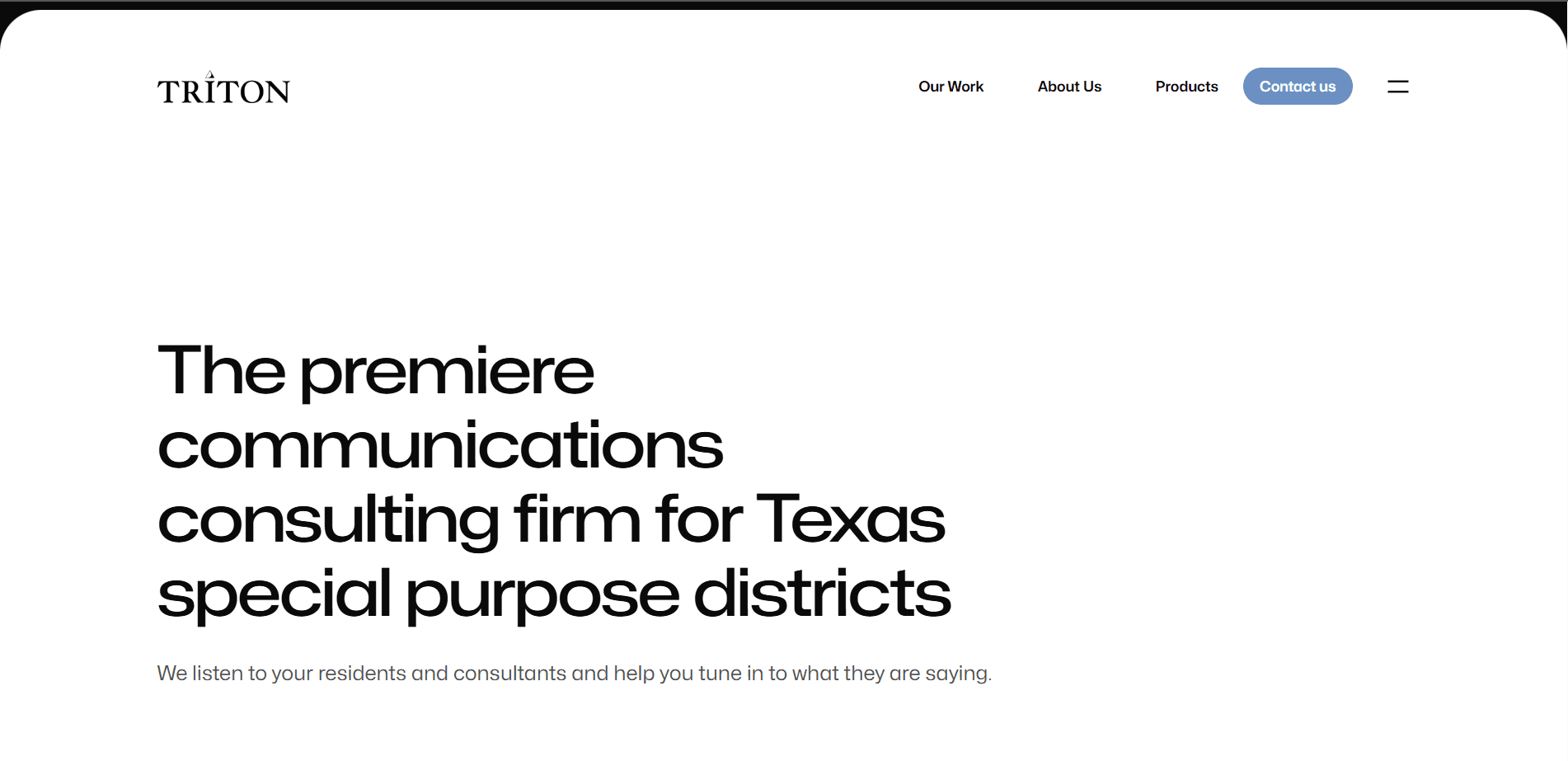
Enterprise multi-site CMS platform
What it is
A multi-tenant CMS platform that manages content for multiple client websites through a single admin panel. Each site operates independently with its own domain, branding, and content structure.
Who it serves
Web agencies and consulting firms that manage websites for multiple clients and need to eliminate duplicate maintenance while preserving each client's brand identity.
Business value
Reduces new client onboarding from 40 hours to under 10 hours. Eliminates duplicated content management effort across sites. Ensures consistent functionality across the portfolio.
Primary users
Content editors managing multiple client sites, client stakeholders reviewing their site, and site visitors.
Category
Enterprise Platform
Role
Lead Developer
Timeline
8 months
Status
Production
Team
Solo
Platform
Web
Industry
Enterprise Software / Web Development
Frontend
Next.js
Managing 6+ client websites independently meant separate codebases, separate hosting, and separate CMS installations. Updates required duplicated effort, branding was inconsistent, and adding a new client required 40-60 hours of setup.
Centralized Admin Panel
Manage all client sites from a single dashboard. Switch between sites with a dropdown. Consistent content structures across sites reduce cognitive overhead for editors.
Drag-and-Drop Page Builder
Compose pages from pre-built sections: hero, features, testimonials, galleries, CTAs, and contact forms. Each section has configurable options for layout and content.
Per-Site Theming
Each site has independent branding: colors, typography, and layout variants. Shared infrastructure with unique identity. Clients feel their site is exclusively theirs.
Instant Content Publishing
Content updates go live in seconds through Next.js ISR. Editors see changes immediately after saving. Preview workflow allows reviewing before publishing to production.
Frontend
Backend
Database
Infrastructure
Tools & Services
Payload CMS runs as a headless content backend with multi-tenant content isolation. Next.js uses Incremental Static Regeneration to serve pages from CDN edge cache with 60-second revalidation. A reverse proxy routes requests to the correct site based on domain. Content updates trigger webhooks that revalidate affected pages immediately.
Manually setting up a new client site required 40-60 hours of infrastructure and CMS configuration.
Built a multi-tenant architecture where adding a new site is a configuration change, not a new deployment. New client onboarding reduced to under 10 hours.
Multi-tenant MongoDB queries slowed as the number of sites grew beyond 4.
Added compound indexes on (site, slug) and (site, status). Query times stayed under 100ms regardless of total document count across all sites.
Content editors needed to preview changes before publishing, but ISR caches published pages.
Built a preview route that bypasses CDN cache and reads draft content directly from Payload API. Editors review the preview URL before publishing.
Interested in building something similar?
I am always open to discussing new projects, technical challenges, and engineering opportunities.